


When choosing solid wood furniture, almost everyone arrives at the same question: which wood should it be? Oak, beech, alder, lime or walnut? We also often hear the belief that the best wood is the hardest one. That is not the case. Every species has its own set of properties, and not every wood suits every piece of furniture. What matters is what we are making and how it will be used.
On this page we have collected what we use in our workshop every day: the properties of the individual species, their typical values, and the reasons why we recommend one wood for a table and another for a bed. The figures are drawn from the technical literature and the relevant timber standards, and are complemented by thirty years of joinery practice.
Which property matters for which piece
Hardness matters wherever the surface is mechanically loaded every day. On a dining table, plates, glasses and cutlery are moved across the surface, children draw on it, objects are set down on it. There the difference between lime and oak becomes obvious quickly.
With a bed the picture is entirely different. The sleeping surface is exposed neither to impact nor to abrasion, and the load is static and evenly distributed. What decides is the construction and the dimensioning of the load bearing parts: the cross section of the side rails, the corner joints, the number and arrangement of cross members and the support beneath the slatted base. A well designed bed in lime is stronger than a poorly designed bed in oak.
For pieces used outdoors, two entirely different figures apply: the natural durability of the heartwood against wood destroying fungi (classified to EN 350) and dimensional stability under changing humidity. There larch and thermally modified timber come into consideration, but not beech or lime.
The species we work with
| Species | Density (kg/m3) | Brinell hardness (N/mm2) | Character | Where we use it |
|---|---|---|---|---|
| Lime | 490 to 530 | 1.4 to 2.0 | Very even, fine texture, few prominent knots, pale colour, no resin canals | Beds, childrens furniture, pieces with a calm appearance |
| Alder | 490 to 550 | 1.9 to 2.3 | Warm reddish brown tone, soft and even structure, works beautifully | Beds, bedrooms, interior furniture |
| Beech | 680 to 720 | 3.2 to 3.8 | Hard and tough, dense even structure, moves noticeably with humidity | Seating, load bearing parts, tables in stable indoor climates |
| Oak | 670 to 760 | 3.4 to 3.8 | Pronounced growth rings, hard and durable, naturally resistant heartwood, characteristic medullary rays | Dining tables, worktops, robust beds |
| Walnut | 640 to 700 | 3.0 to 3.5 | Wide colour range from light brown to almost black, lively figure, a prized hardwood | Dining tables, statement pieces, visible surfaces |
| Larch | 550 to 590 | 1.9 to 2.2 | Resinous, moderately durable heartwood, pronounced reddish colour | Garden furniture, outdoor pieces, saunas |
| Spruce and fir | 430 to 470 | 1.2 to 1.4 | Light, low thermal conductivity at the surface | Saunas, interior cladding, structural parts |
Lime
- Tilia cordata
- density 490 to 530 kg/m3
- Brinell 1.4 to 2.0 N/mm2
- pale and even
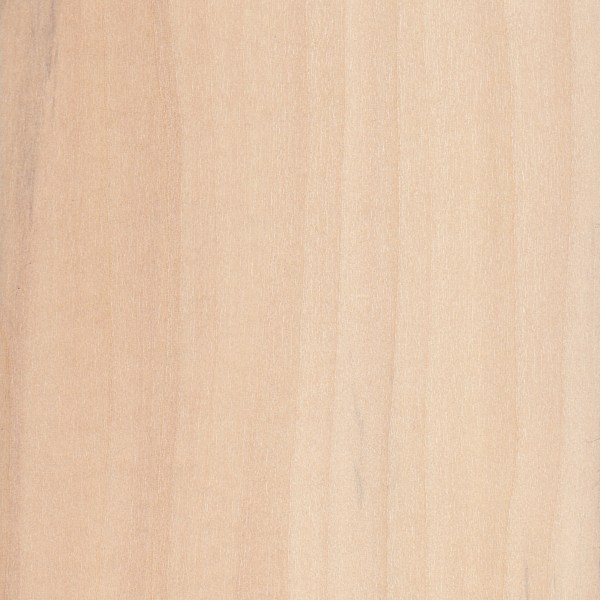
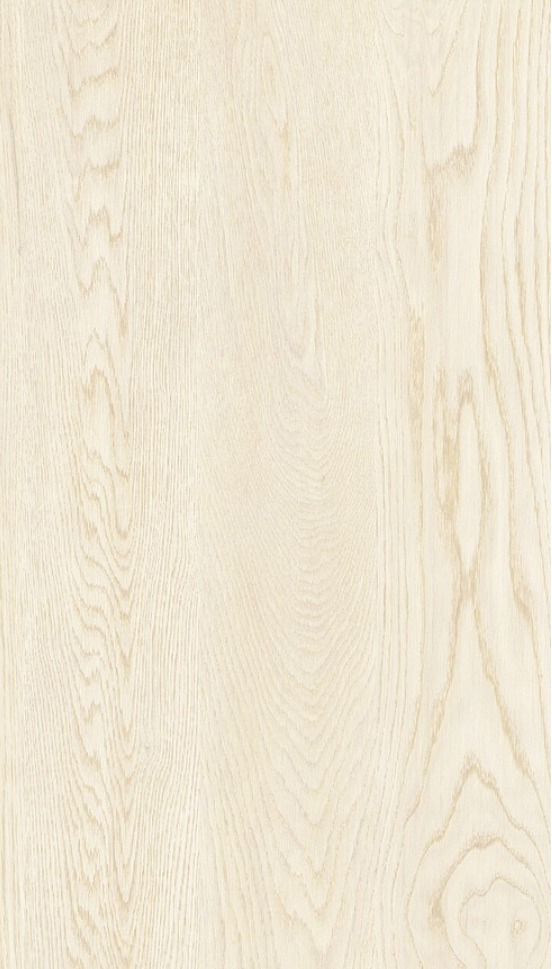
With beds this is the question our customers ask most often: is lime strong enough, given that it is considered a softer wood? Lime is indeed softer than oak, yet it is very well suited to making a bed. A bed is not exposed to the same loads as a dining table, where impacts, scratches and surface wear occur every day. With a bed, a sound and stable construction matters far more.
Among European hardwoods lime has one of the most uniform textures. The transition between earlywood and latewood is barely visible, the growth rings are unobtrusive, and the colour is pale, slightly yellowish to almost white. A characteristic of its growth is that the lower part of the trunk often remains free of branches to a considerable height, so the sawn timber usually shows few prominent knots. That is precisely why it is a good choice for anyone who prefers a calm, clean and understated appearance.
Lime contains no resin canals and no pronounced extractives, so it gives off no strong odour. Its softness and evenness made it the wood of carvers, sculptors and altar builders for centuries; for the same reason it machines cleanly today and takes oil evenly.
So if you are weighing a bed in lime against a bed in chipboard, do not let the fact that lime is a softer wood put you off. We are still talking about genuine solid wood that can be sanded back and renewed years later.
Alder
- Alnus glutinosa
- density 490 to 550 kg/m3
- Brinell 1.9 to 2.3 N/mm2
- warm reddish tone
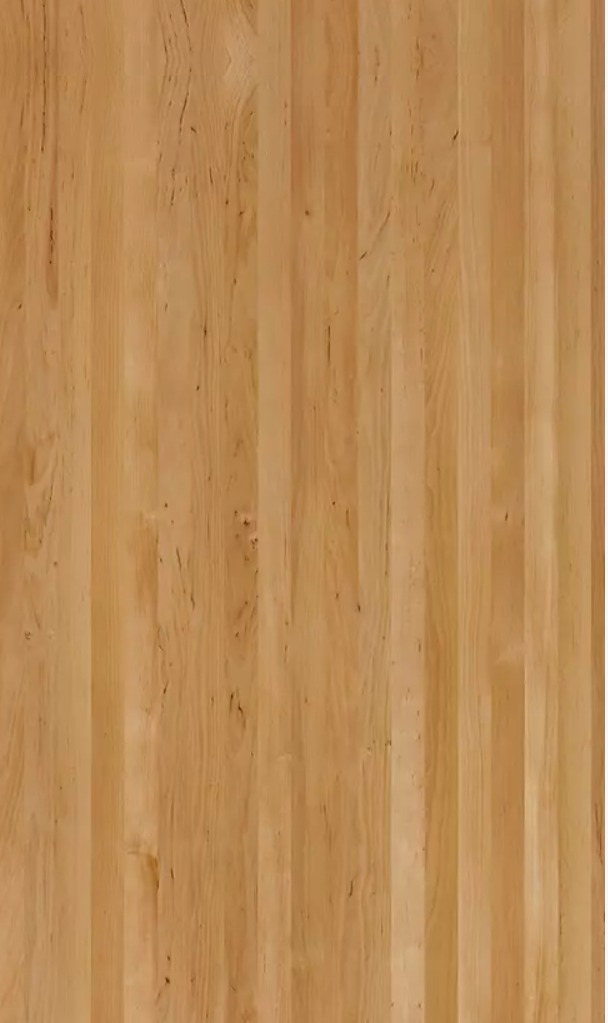
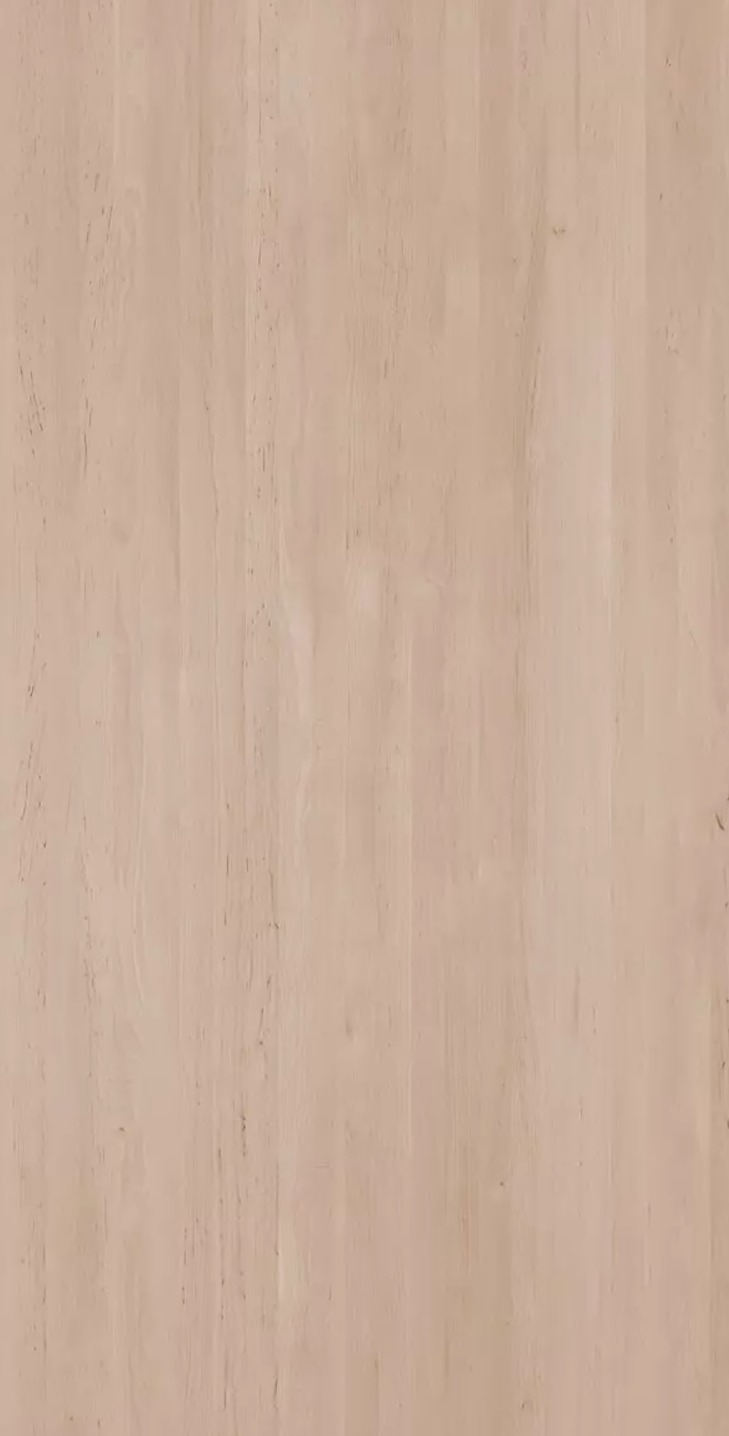
Alder is somewhat warmer in tone than lime and shows a fine, calm natural structure. Freshly cut it is almost white; in air it darkens within a few hours to its characteristic reddish orange tone, which settles over time into a warm brown. This colour shift is why boards from the same log can differ slightly from one another.
Alder is also one of the softer species, yet with the right construction it is very well suited to beds and other interior furniture. It has a low tendency to split and good dimensional stability, which means it moves less after installation than beech, for example.
Because this is a natural material, individual parts may differ somewhat in colour and structure. That is precisely why every piece is a little different. During production we sort the parts so that neighbouring elements match in colour; complete uniformity is not achievable with natural wood, nor is it the aim.
Beech
- Fagus sylvatica
- density 680 to 720 kg/m3
- Brinell 3.2 to 3.8 N/mm2
- hard and tough
Beech is the most widespread hardwood in Central European forests and is entirely comparable to oak in hardness. It is exceptionally tough and takes bending loads well, which is why it has traditionally been used for chairs and load bearing parts.
Its important particularity is that among the species listed here beech moves the most with changes in humidity. In a room with dry winter air and a humid summer, beech changes its dimensions more noticeably than oak or alder. On large surfaces such as a wide table top we therefore use it deliberately and always with a suitable allowance for movement.
The colour of beech is evenly pale yellowish brown. Steamed beech takes on a warmer, pinkish tone. The structure is fine and calm, with the characteristic small rays on the radial face.
Oak
- Quercus robur and Quercus petraea
- density 670 to 760 kg/m3
- Brinell 3.4 to 3.8 N/mm2
- pronounced growth rings
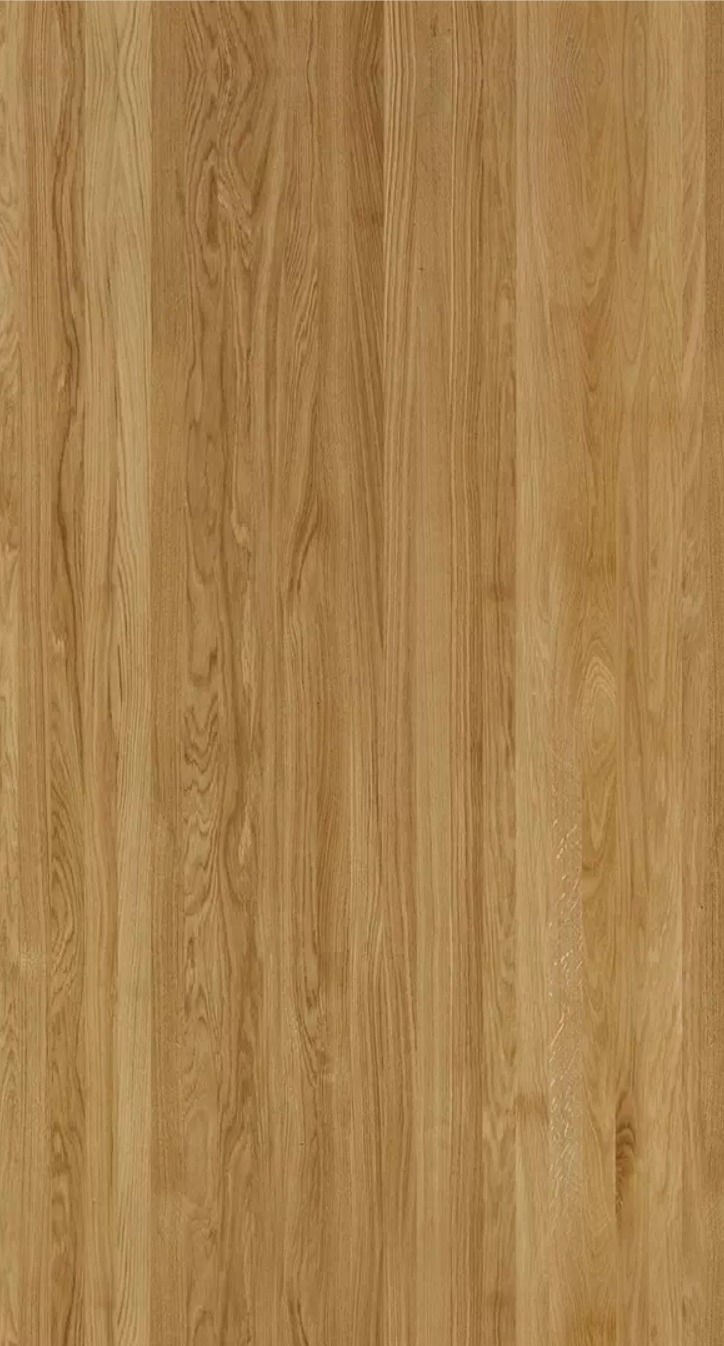
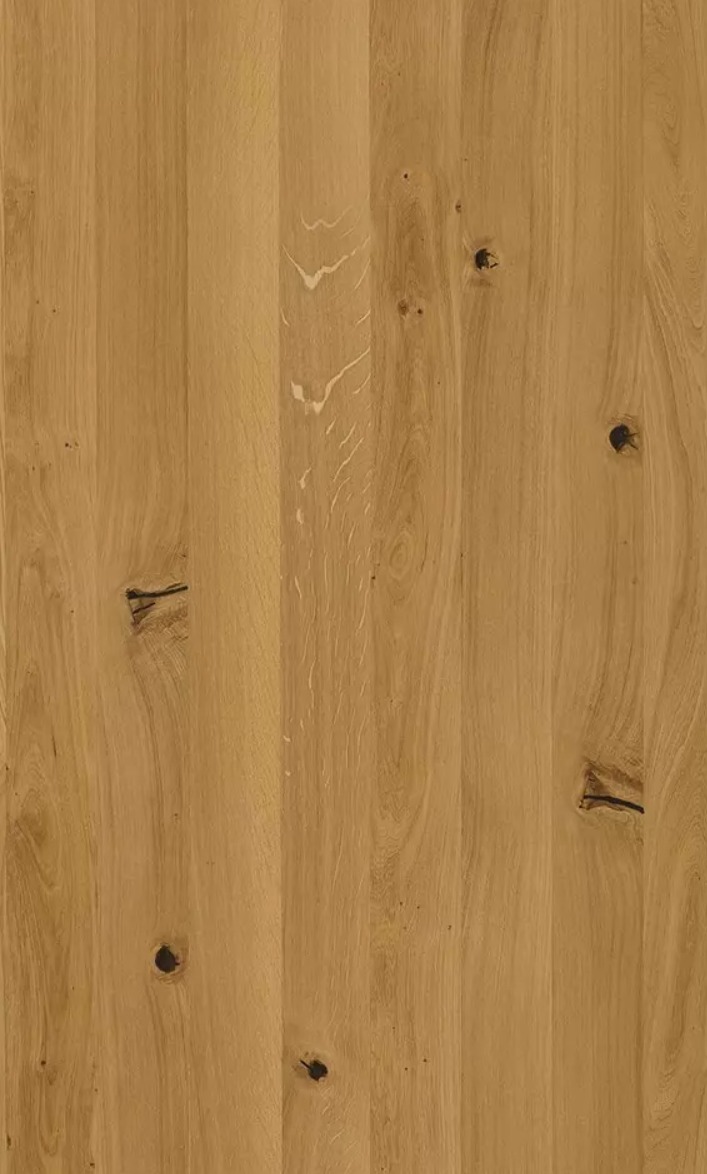
Oak is the harder and heavier wood and the most popular choice for solid wood furniture. It is particularly suited to dining tables, since the table surface is heavily used every day. Plates, glasses and other objects are moved across it, so with a table the hardness of the wood matters far more than with a bed.
Oak shows pronounced growth rings and an unmistakable figure. On the radial face the broad, lustrous medullary rays appear, one of the finest characteristics of this species. It may also contain knots, which are not a defect but a natural part of the wood.
The heartwood of oak is classified under EN 350 as durable to moderately durable, so it tolerates moisture better than most of our hardwoods. Oak contains tannins which, in contact with iron and moisture, cause dark staining; in our pieces we therefore use fittings made of stainless or suitably protected material.
Walnut
- Juglans regia
- density 640 to 700 kg/m3
- Brinell 3.0 to 3.5 N/mm2
- wide colour range
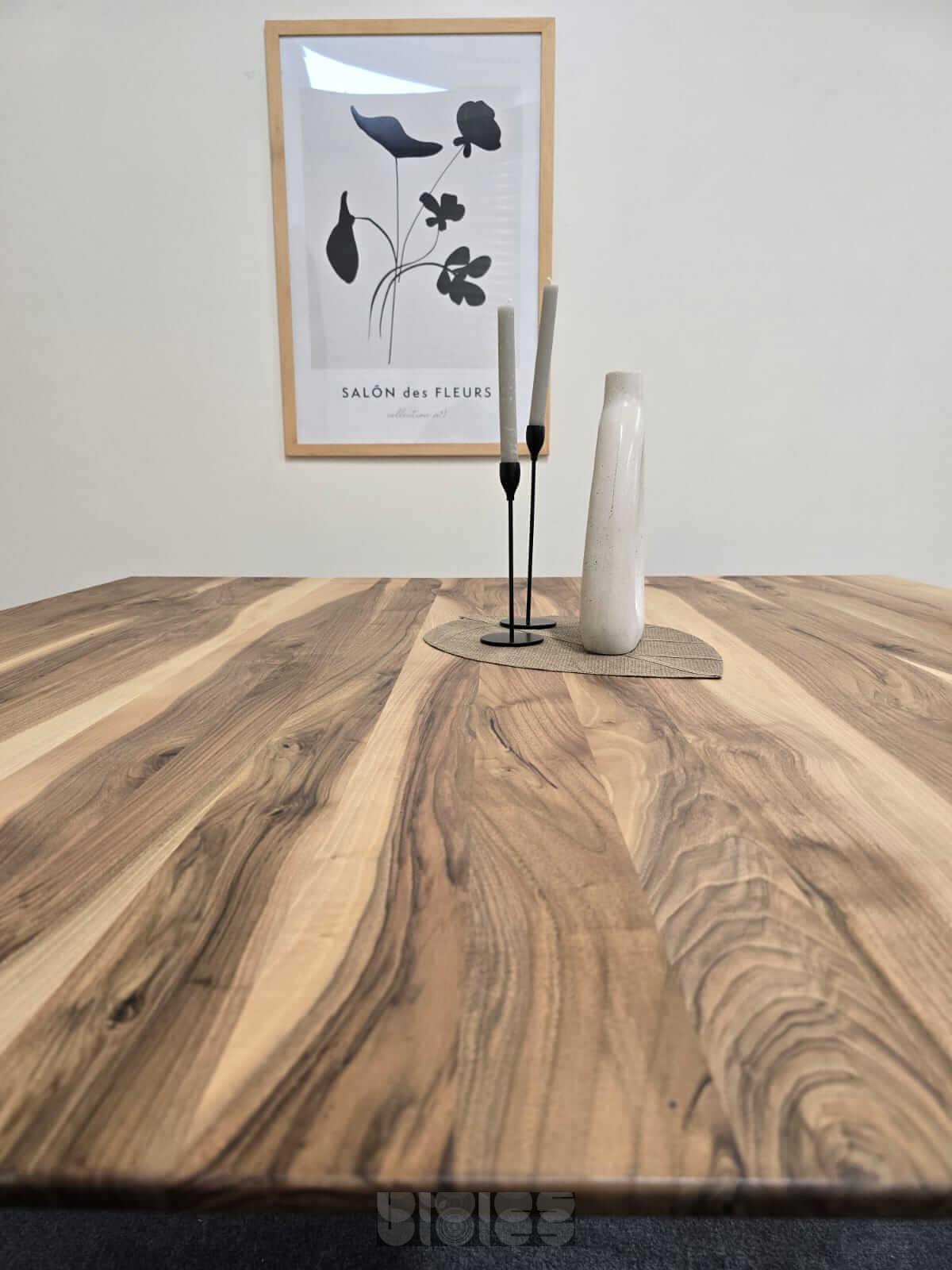
Walnut is recognised above all by its colour. The tones can vary considerably, from lighter, almost grey brown areas to deep brown with a violet cast. It is precisely these differences that give walnut its distinctive appearance. On large surfaces such as a dining table top its structure shows to particularly fine effect.
With walnut it should be understood that no two tables will ever be entirely alike. Every board has its own colour, growth rings and structure. The colour difference between sapwood and heartwood is greater in walnut than in any other species we use, so we either separate the two consistently or combine them deliberately, depending on the look required.
Under light walnut lightens somewhat over the years and settles in colour. This process is normal and cannot be prevented; oils with a UV filter can only slow it down.
Larch
- Larix decidua
- density 550 to 590 kg/m3
- Brinell 1.9 to 2.2 N/mm2
- for outdoor use
Larch is the only native conifer that sheds its needles in winter and the densest of the softwoods. Its heartwood is resinous and classified under EN 350 as moderately durable, which makes it suitable for pieces exposed to the weather.
The colour is markedly reddish brown and turns to a silver grey patina outdoors over time. This change affects the surface only and does not reduce the strength of the wood; anyone who does not want it must maintain the piece regularly with suitable exterior oils.
In larch, resin is a natural constituent of the wood. In warm conditions a drop of resin may emerge at individual points. This is not a product defect but a property of the species.
Spruce and fir
- Picea abies, Abies alba
- density 430 to 470 kg/m3
- Brinell 1.2 to 1.4 N/mm2
- low thermal conductivity
Spruce and fir are the lightest species we use and have the lowest thermal conductivity. That is exactly why they are indispensable in saunas: even at high air temperatures the surface does not become too hot to touch comfortably.
For saunas we use timber without resin pockets, or with a minimal resin content, since resin can bleed at high temperatures. Fir has the advantage of containing practically no resin canals.
What solid wood actually means
The term solid wood is often used loosely in retail, so it is worth drawing a clear line. In joinery we distinguish the following materials:
| Material | What it is | Can be renewed |
|---|---|---|
| Solid board | A single piece of sawn and dried timber through the full thickness | Yes, repeatedly |
| Solid glued panel | Several lamellas of the same species glued along length and width; the entire thickness is real wood | Yes, repeatedly |
| Veneered panel | Chipboard or MDF with a thin layer of real wood, usually under 1 mm | Practically no |
| Chipboard | Wood particles bonded with adhesives and pressed into a panel, covered with foil or paper | No |
In our furniture we use solid boards and solid glued panels. Gluing lamellas is not a sign of lower quality, quite the opposite: on wide surfaces it is the better structural solution, because the internal stresses between lamellas with alternating ring orientation cancel each other out and the panel stays flat. A single very wide board would cup or split far sooner in a dry home.
How to choose a species
- Start from the piece, not from the species. For a dining table we recommend oak or walnut, as they are the most resistant at the surface. For a bed, lime or alder are an excellent choice; there the construction decides.
- Decide on the look. If you want calm, even wood without prominent knots, choose lime or alder. If you want a pronounced figure and character, choose oak or walnut.
- Take the room into account. In very dry, heated homes, species that move less, such as alder, perform better than beech.
We are glad to advise you. On request we send wood and finish samples so that you can judge colour and structure in your own room and your own light.
The next step
Before deciding, we recommend the page Before you buy solid wood furniture, where we explain in detail how wood moves, what knots and colour variation mean, and how to care for the piece. Specific customer questions are collected under Frequently asked questions.
Mizarstvo Bioles, predelava lesa, d.o.o. · Made in our own workshop, out of love for wood.